Why Live Music Bars Still Make the Best Nights Out
- December 07, 2023· Article by David Brown
- music bar , live music
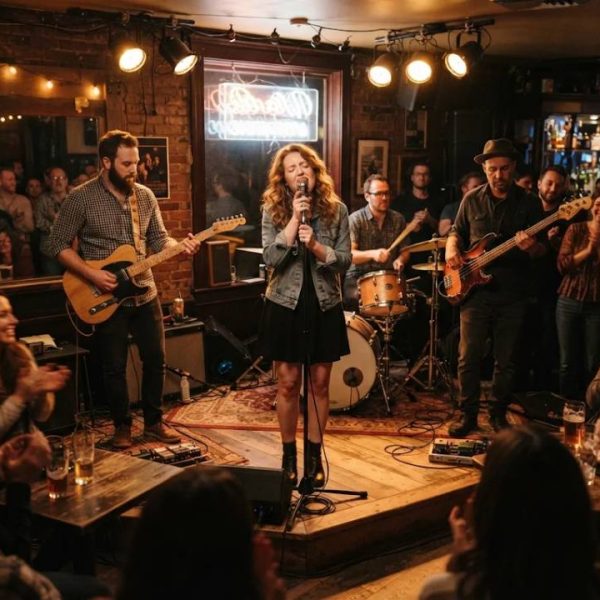
There is a particular kind of night that only a small music bar can deliver. The stage is a few steps from the audience, the sound is loud enough to feel in your chest but clear enough to hear every word, and the band can see the faces of the people who came to listen. Live music in intimate venues is where careers begin, where scenes are built and where ordinary evenings turn into stories people repeat for years.
Why Small Venues Matter
Large arenas get the headlines, but small venues are the engine of the music world. They give new artists their first paying gigs, let established bands try unfinished songs, and offer audiences a chance to see performers up close for the price of a modest ticket. Almost every famous act you can name started in a room that held a few dozen people.
These venues also carry a cultural role in their neighborhoods. They bring people together, support bartenders, sound engineers and photographers, and keep local economies lively after the shops have closed. When a small bar disappears, the whole scene feels the loss.
How to Choose a Night Out
Check the venue website and social accounts for the weekly schedule. Many bars list genres, opening acts, doors times and ticket prices. If you do not know the band, listen to a few tracks online and read recent reviews. Nights with several acts are a good way to discover something new.
Arrive early enough to see the opening act, because support bands are often the best surprises of the evening and they play to the smallest crowds who need the encouragement most.
What to Expect From the Atmosphere
In a small bar you will usually stand close to the stage, share space with friends and strangers, and hear music at a volume that surprises people used to concert halls. Lighting is warm and simple, and conversations flow before, between and sometimes during songs.
Good venues balance energy with comfort. Look for places with enough room to move, a decent sound system and a staff who care about the atmosphere. Those details make a bigger difference than size.
Protect Your Hearing
Live music is loud, and repeated exposure can damage hearing permanently. Simple earplugs designed for concerts reduce volume without muffling the sound, and they are cheap and easy to carry. Stand away from the speakers and take short breaks outside.
If you perform or work in venues, consider custom hearing protection. Ringing in the ears after a gig is a warning sign that you should not ignore.
Support Artists Beyond the Ticket
Buy merchandise directly from the band, join mailing lists, follow their pages and share songs you enjoy. Streaming income is small for most musicians, so direct support makes a real difference.
Tip the bartenders, thank the sound engineer and tell the performers you enjoyed the set. Small gestures keep scenes friendly and welcoming.
Music Without Language Barriers
Music crosses borders, but lyrics sometimes need help. Visiting fans often want to understand the words, and bands that tour abroad benefit from translated bios, set lists and press kits. K-pop and other international genres have turned many bars into places where fans from different countries meet.
Bands planning shows in Korea can use english to korean translation services for press material and social posts, while those who publish lyric videos should read about subtitle translation mistakes before they release subtitles that confuse their listeners.
Planning Your Evening
Decide how you will get home before you start. Public transport, taxis and ride services run late, but some routes are limited after midnight. Agree on a meeting point with friends in case you get separated.
Eat before the show, bring a form of identification and carry a small amount of cash in case card machines fail. Check whether the venue has a cloakroom.
Etiquette for Audiences
Respect the performers by watching and listening rather than talking over the set. If you want to record a clip, keep it short and avoid blocking views. Be careful with phones held high in a crowded room.
Give people space, move gently through crowds and look out for anyone who seems unwell. A safe, friendly room is the best result for everyone.
Supporting Venues That Struggle
Many small venues face rising rent, noise complaints and closures. Organizations like Music Venue Trust campaign for grassroots spaces and provide research on the pressures they face. Visiting regularly, buying drinks at the bar and spreading the word help keep venues open.
Local councils and landlords respond when communities speak up, so attend public meetings and sign petitions when a venue is at risk.
If You Want to Perform
Contact venues with a short message, links to your best recordings and a clear idea of your audience. Offer to play opening slots, bring friends and promote the night on your own channels.
Practice, keep your set tight and thank everyone who helps you. Reputation spreads fast in a small scene.
Photography and Social Media
Share photos that show the mood rather than only the stars. Tag the venue and the artists, and ask permission before posting identifiable close-ups of strangers.
Good coverage helps the next night sell out.
Food, Drinks and Budget
Check the menu before you go and plan how much you want to spend. Many bars offer happy hours and ticket bundles. Keep a record of nights so that live music remains part of your budget.
Drink water between drinks and know your limits.
Final Thoughts
Live music in a small bar is simple, personal and unforgettable. Choose a night, arrive early, listen closely and support the people who make it possible.
The next great band may be on the stage tomorrow, and you will have been there first.
Genres to Explore on a Night Out
Small bars host rock, jazz, blues, folk, soul, electronic and experimental nights. Try a genre you do not know. Open mic evenings show raw talent, jam sessions reveal how musicians communicate, and tribute nights celebrate classics.
Ask the staff what is coming up and which nights are the most popular with regulars.
Sound, Lighting and Staging in Small Rooms
Good sound engineers balance volume with clarity so that vocals and instruments are both audible. Simple lighting adds mood without blinding performers. A tidy stage and clear sight lines make everyone feel closer to the music.
Venues that invest in these details earn loyal audiences.
Making Friends Through Music Scenes
Regulars often become a community, sharing tips about bands and gigs. Join mailing lists, talk to people at the bar and attend the same night regularly. Many lasting friendships begin in front of a stage.
Be curious, friendly and respectful, and the scene will welcome you.